
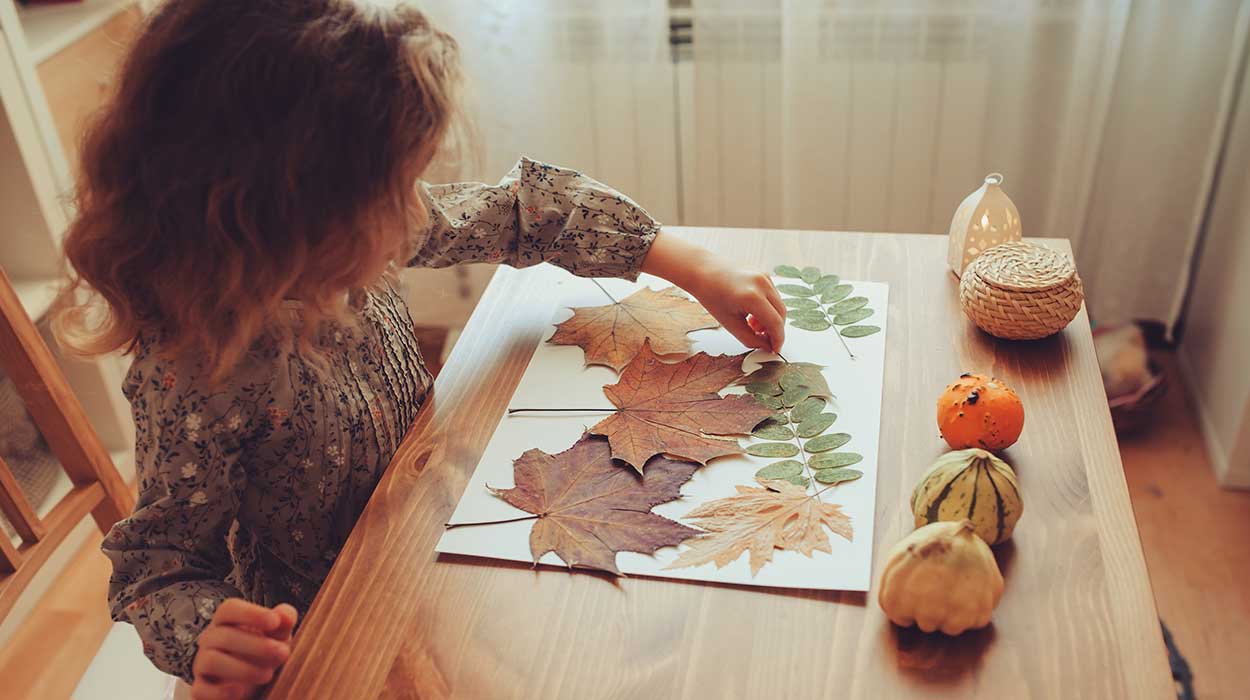
Fun and Educational School Break Activities
Six Super Activities for Students

Whether your children struggle to learn, or sail through school, you may not want to completely stop education over the holidays, even though everyone needs a break from school. Put away those manipulatives and shelve the workbooks. Here are some painless ways of keeping the educational fires burning, while having some great inexpensive family fun. Try these school break activities.
Centerpiece Stroll (All Ages)
Activity Supplies: wagon, empty grocery bag or box, scissors or clippers, a jar or vase
Step 1: Take your child on a walk and bring a wagon. Bring a little bag or box, as well as a pair of scissors or clippers.
Step 2: As you cruise the neighborhood, look for things that might look nice in a vase or jar. Grab a gnarled stick, a length of vine, a spray of attractive leaves, or even weeds that have interesting flowers. Show your children things that are acceptable to take (weeds, sticks, one of many flowers) and things that would not be good to take (anything from someone’s garden, non-natural things like yard decorations).
Step 3: When you get back home, go through the bag and discard anything that might be dangerous, and have your child carefully arrange their treasures in a vase or jar. Show them how putting taller things in the center of the vase means you can see the shorter things on the outside.
Step 4: Use the vase or jar as a centerpiece or mantel decoration.
Skills: Large motor skills, fine motor, hand-eye coordination, social skills, visualization, self-accomplishment, decision-making
 Dinner Name Cards (ages 4+)
Craft Supplies: paper/index cards, pens, pencils, or markers, other art supplies
Step 1: Start by making an easy-to-read list of every guest’s name.
Step 2: If you have index cards, fold them in half, otherwise, cut a piece of printer paper into 4 pieces and fold them in half so that they stand up.
Step 3: Show your child where to copy the names, and have them write each name from your list onto a separate card.
Step 4: They can then decorate the card, making sure to not cover up the name.
Step 5: Use the name cards for a festive Christmas or Hanukkah dinner.
If you have time and extra supplies, it can be fun to glue buttons, sequins, ribbon, google eyes, acorns, leaves, beads, etc. to the name cards as well. Have plenty of extra cards/paper, so that if your child makes a mistake, they can simply start over with no worries.
Skills: reading, writing, fine motor, interpersonal, artistic
Family Yearbook (ages 6+)
Craft Supplies: photos, paper, pencils, markers, glue
Step 1: Provide your child with some photos of your family’s past year, or go through your camera roll with them and let them choose some to be printed.
Step 2: Once they have printed 10-12 pictures, have them arrange them in chronological order on a large surface (such as a dining table or the floor).
 Step 3: Fold a stack of printer paper in half, and number the pages in the lower right hand corner, so you can remember the order later.
Step 4: Separate the papers, and carefully help your child glue the photos in order, using your page numbers as a guide.
Step 5: When the glue is dry, stack your papers in order and staple them down the center (or sew them together, or tape them).
Step 6: Ask your child to write some words or sentences about each picture on each page.
Keep this fun and lighthearted by helping them generously with spelling, even writing their sentences out on another sheet of paper for them to copy, if needed. Have them title the book and leave it out for guests to admire and read.
Skills: reading, writing, spelling, fine motor, decision-making, communication, organization
Mixing and Measuring with Math (ages 6+)
Activity Supplies: muffin tin, measuring spoons and cups, and “ingredients” (flour, oats, salt, dirt, pasta, expired cake mix, water, cornstarch, pebbles, sand, etc)
 Step 1: Lay out whatever ingredients you can find; things you won’t miss around the kitchen, like leftover cornmeal, some old cereal or expired baking goods, or if you’re outside, twigs, leaves, and sand. A muffin tin is better for this activity than one big mixing bowl, as it provides space for 12 experiments instead of one, and encourages conservation of materials.
Step 2: Introduce and encourage your child to use the correct names for the measuring spoons or cups (½ cup, teaspoon vs. tablespoon, quart, pint, etc.).
Step 3: Ask some questions. What happens to the water level if you dump a spoonful of flour in it? What happens when you stir quickly or slowly?
Step 4: When they’re done mixing, have them help you rinse everything out and wipe everything down.
Note: real cooking is a skill everyone should acquire, but this is just a way for children to relax and explore, while gaining proficiency with tools they will need later in life.
Skills: fine motor, life skills, counting, measuring, visualizing, scientific thinking, experimentation
Winter Sun Experiment (ages 5+)
Craft Supplies: dark construction paper, small objects that are heavy enough to be placed on the ground without rolling or blowing away, a sunny day
Step 1: Find a sunny spot outside.
Step 2: Lay a piece of dark construction paper on the ground. If it has been raining or snowing, lay something waterproof down (a baking sheet, a tray, a cutting board, foil pan, etc) underneath.
Step 3: Have your child arrange small items on the paper. Use little tools, small, heavy toys, legos, figurines, scissors, or anything that is heavy enough to stay put.
Step 4: By the next day (possibly two if its overcast), the sun will have broken some of the chemical bonds in the color dye on the paper, and bleached it out, except for where the items were resting. It’s an exciting experiment that always works!
Step 5: To turn it into a greeting card, glue a piece of printer paper to the other side of the construction paper and fold both papers in half. Have your child decorate and write on the printer paper, using the bleached side as the outside of the card. So unique.
Skills: visualization, scientific thinking, experimentation, writing
Online Times Alive (all ages)
 Activity Supplies: Computer
When the crafts are put away and you have tasks (or important resting!) to do, it’s great to pull out the screens. To maximize the benefits of screen time, encourage your child to use a great online fun educational programs, such as Online Times Alive. available at CityCreek.com. Join the Online Times Alive membership to help your student learn in a fun way, increasing confidence and independence by being easy to navigate, play with, and enjoy. The stories are easy to remember, and the songs really help click everything into place. It’s an enjoyable, easy way to learn your times tables! The program keeps track of student progress for up to 30 students. Times Alive, designed for devices is available at the Apple Ap store and Google Play. Online Times Alive is a great school break activity to help students sharpen skills for math class when they return to school.
Skills: computer, multiplication, independent play, times tables
As a full-time classroom teacher, I loved having time off when my kids did. Our house wasn’t spotless or perfectly decorated, but we really knew how to have fun! Even though those kids are now mostly grown, we still have sweet little mementos lurking in the ornament box, cute decorations tucked in with the stockings, and sweet memories of the fun we had when they were little.
Amy Richter
This Blog Post is by Amy Richter
 After a childhood of school struggles, Amy Richter became a teacher at age 21. Following decades of classroom teaching, she opened ChildFirst Learning and became an Educational Therapist, working exclusively with children who have difficulties in school. Kids know her for unswerving devotion to their happiness and education, as well as games, fun, and laughter. Her teaching is based on research and evidence-based practices, using new tools and solutions to age-old problems. Her goal is to share this knowledge so that kids love learning, enjoy school, and continue their education on their own.




Leave A Comment